
Legal challenges often arrive in clusters rather than isolation. A person dealing with one legal concern may soon realize that additional issues are closely connected, affecting finances, family relationships, employment, or personal freedom. When legal matters overlap, uncertainty can grow quickly, especially for individuals unfamiliar with how different areas of law intersect. Choosing the wrong type of legal professional or delaying action due to confusion can create lasting complications that are difficult to reverse.
Understanding how legal specialties function helps individuals approach complex situations with greater clarity. Each legal discipline exists to address specific rights, responsibilities, and outcomes, and recognizing those distinctions is critical when multiple issues must be handled at the same time. For example, financial stress may influence family decisions, while criminal allegations can affect employment or residency status. Without a structured approach, individuals may feel overwhelmed by the sheer number of decisions they must make.
This guide is designed to help readers identify which types of legal professionals align with specific circumstances and how to prioritize action when more than one legal issue is present. By breaking down common legal challenges and explaining how they interact, this article offers practical insight into managing overlapping concerns efficiently and responsibly. A clear understanding of legal roles empowers individuals to make informed choices and move forward with confidence.
Beyond the legal complexity itself, facing multiple legal issues often creates emotional and mental strain that can cloud judgment. Stress, uncertainty, and fear of long-term consequences may cause individuals to delay action or make rushed decisions without fully understanding the implications. When several legal matters overlap, even small missteps can trigger a chain reaction that affects outcomes across different areas of life. This is why clarity and preparation are just as important as legal representation itself.
Another challenge many people face is assuming that one lawyer can address every legal concern. While some attorneys have broad experience, most legal professionals focus on specific areas of law due to the depth of knowledge required. Understanding these distinctions allows individuals to seek targeted guidance rather than relying on generalized advice. This approach improves efficiency and reduces the likelihood of conflicting strategies between cases.
A thoughtful legal plan also helps individuals regain a sense of control during uncertain times. Instead of reacting to events as they unfold, proactive planning encourages structured decision-making. By identifying which legal issues carry the most urgency and understanding how they influence one another, individuals can prioritize effectively. This article aims to provide that clarity by outlining how different legal specialties function and when their expertise becomes essential. With the right knowledge, navigating multiple legal challenges becomes more manageable, informed, and focused on long-term resolution rather than short-term survival.
Addressing Financial Distress and Legal Obligations
Financial instability is one of the most common sources of legal stress, especially when debt becomes unmanageable or income changes unexpectedly. Missed payments, creditor actions, or threats of asset loss often signal the need for formal legal guidance. A bankruptcy attorney focuses on helping individuals understand federal protections, evaluate eligibility options, and navigate structured legal remedies designed to address overwhelming debt.
When financial difficulties overlap with other legal matters, such as divorce or business disputes, careful coordination becomes essential. Decisions made to resolve financial issues can influence property division, credit standing, and future legal options. Legal guidance in this area helps individuals understand how financial relief strategies interact with broader life circumstances, preventing unintended consequences.
Planning for financial legal matters involves more than responding to immediate pressure. It includes reviewing documentation, understanding long-term obligations, and considering how financial decisions affect future stability. When addressed strategically, financial legal concerns can create a foundation that allows individuals to manage additional legal challenges more effectively. Addressing financial obligations early often reduces stress and opens pathways toward resolving other legal issues with greater clarity and control.
Navigating the Criminal Justice System
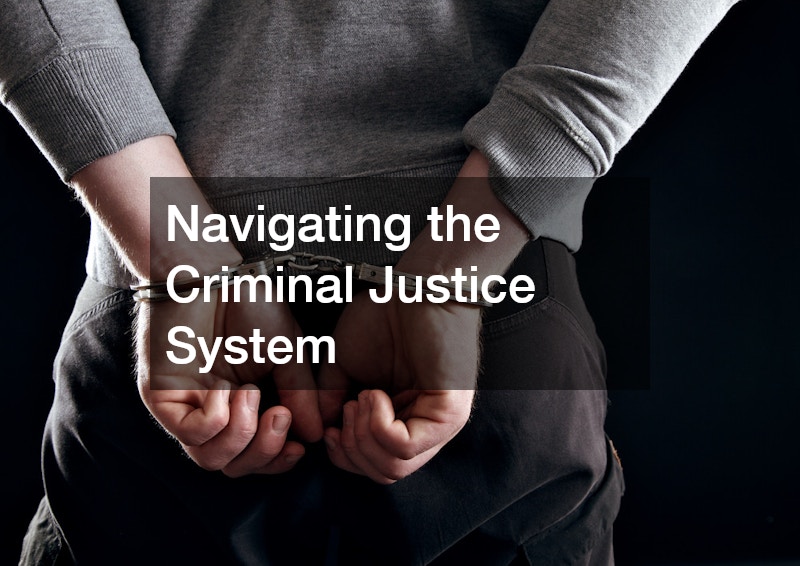
Criminal allegations introduce immediate consequences that can extend far beyond the courtroom. Arrests, charges, and investigations may affect employment, family relationships, and personal reputation. Criminal attorneys represent individuals accused of violating laws, guiding them through legal procedures, protecting constitutional rights, and advocating during court proceedings.
When criminal matters coincide with other legal challenges, coordination becomes especially important. Outcomes in criminal cases may influence custody decisions, professional licensing, or civil liabilities. Understanding how criminal proceedings interact with other areas of law helps individuals avoid actions that could complicate parallel cases.
Legal representation ensures that individuals understand procedural requirements, timelines, and potential outcomes. Without informed guidance, individuals may unintentionally waive rights or miss critical deadlines. Addressing criminal allegations promptly and strategically supports broader legal planning, allowing individuals to manage multiple challenges without losing focus or direction during high-stress situations.
Managing Complex Family Law Situations
Family law matters often involve emotional strain, financial implications, and long-term consequences. High-conflict separations or asset-heavy dissolutions require specialized legal attention. A complicated divorce lawyer focuses on resolving disputes that involve property division, business interests, long-term financial arrangements, and ongoing disagreements between parties.
When family law issues overlap with financial or criminal concerns, decisions must be made carefully. Divorce outcomes can affect debt responsibility, living arrangements, and parental rights. Legal guidance helps individuals understand how settlements or court orders interact with other legal matters, reducing the risk of future disputes.
Effective family law planning involves clarity, documentation, and structured negotiation. Addressing disputes methodically helps preserve stability for all involved parties, particularly children. When managed thoughtfully, family law proceedings can establish clear expectations and boundaries that support long-term resolution rather than prolonged conflict.
Responding to Traffic-Related Criminal Charges

Traffic-related criminal allegations can escalate quickly, particularly when impairment is alleged. A dui attorney focuses on defending individuals accused of driving under the influence, navigating administrative hearings, court appearances, and legal requirements that accompany such charges.
When these cases overlap with employment, licensing, or family responsibilities, timely legal action becomes critical. Driving-related charges may restrict mobility or impact professional obligations, making coordination with other legal matters essential. Understanding procedural steps and compliance requirements helps individuals avoid compounding issues.
Legal guidance ensures that individuals are aware of their rights, responsibilities, and available options. Addressing traffic-related criminal matters proactively supports broader legal strategies and helps individuals regain stability more efficiently. Clear legal direction reduces uncertainty and allows individuals to focus on resolving all related concerns systematically.
Handling Life-Altering Injury Claims
Serious injuries can reshape every aspect of daily life, from physical mobility to employment and independence. Accidental paralysis attorneys represent individuals whose injuries result in long-term or permanent impairment due to accidents or negligence. These cases often require extensive documentation, medical evaluations, and long-term planning.
When injury claims overlap with employment disputes, insurance matters, or family responsibilities, coordination is vital. Legal guidance helps individuals pursue appropriate remedies while considering how settlements interact with other obligations. Long-term injury cases often involve future care planning, accessibility considerations, and income adjustments.
Addressing injury-related legal matters thoroughly supports both immediate needs and future security. Structured legal planning helps individuals adapt to new circumstances while protecting their rights and interests. With proper guidance, individuals can focus on recovery and adjustment without unnecessary legal uncertainty.
Addressing Safety and Protection Concerns

Personal safety concerns require immediate and informed action. Domestic violence attorneys assist individuals seeking legal protection through court orders, safety planning, and enforcement mechanisms. These legal matters often intersect with housing, family law, and employment considerations.
Understanding available legal protections empowers individuals to take steps that prioritize safety while preserving long-term stability. Legal guidance clarifies court procedures, documentation requirements, and enforcement options. When safety concerns overlap with other legal issues, coordination ensures that protective measures support broader goals.
Prompt legal action creates a framework for stability and security. Addressing safety-related matters early allows individuals to focus on rebuilding and resolving additional challenges without fear or uncertainty. Legal clarity supports confidence and peace of mind during difficult transitions.
Resolving Child-Related Legal Matters
Legal decisions involving children carry significant responsibility and long-term impact. Custody lawyers focus on parental rights, visitation schedules, and decision-making authority. These matters often arise alongside divorce, relocation, or protective proceedings.
When child-related issues overlap with financial or criminal concerns, careful coordination is essential. Decisions in one area can directly affect custody outcomes or parental access. Legal guidance helps individuals understand how courts evaluate child-related matters and how to present their circumstances effectively.
Prioritizing clarity and consistency supports the well-being of children and reduces conflict. Structured legal planning helps establish stable arrangements that serve the best interests of the child while aligning with broader legal objectives. Thoughtful decision-making promotes long-term stability for families navigating complex legal challenges.
Defending Against Controlled Substance Charges
Allegations involving controlled substances carry serious legal implications. Drug offense attorneys represent individuals facing charges related to possession, distribution, or related activities. These cases often involve criminal court proceedings, compliance requirements, and long-term records.
When substance-related charges overlap with employment, family, or housing concerns, legal coordination becomes crucial. Decisions made during criminal proceedings may affect parental rights or professional opportunities. Legal guidance helps individuals understand their options and obligations throughout the process.
Addressing these charges responsibly supports broader legal strategies and reduces uncertainty. Clear legal direction helps individuals navigate overlapping challenges with structure and focus, minimizing long-term disruption.
Understanding Immigration-Related Legal Needs
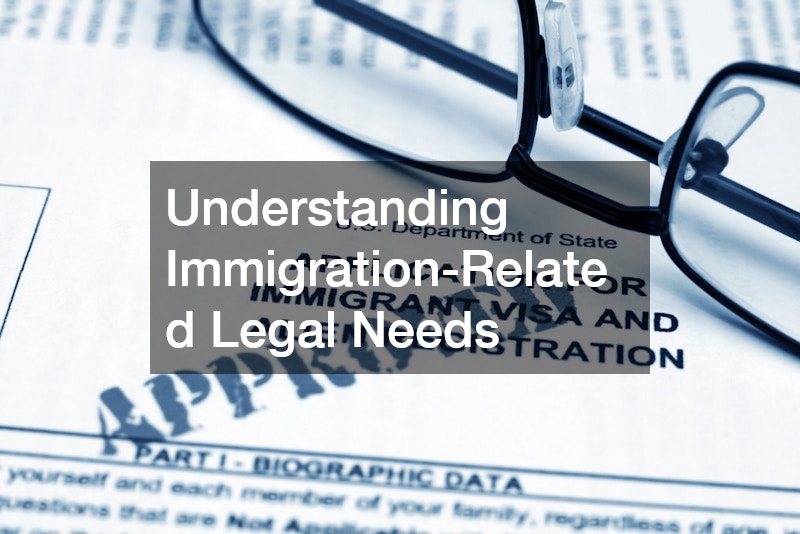
Immigration matters are governed by federal law and often intersect with family, employment, or criminal cases. An immigration lawyer assists individuals with legal status, residency applications, and compliance requirements.
Actions taken in other legal matters can significantly affect immigration outcomes. Legal guidance ensures individuals understand eligibility criteria, deadlines, and risks associated with overlapping issues. Coordination across legal areas helps protect long-term residency or citizenship goals.
Proactive legal planning supports stability and prevents unintended consequences. Understanding how immigration matters interact with other legal challenges allows individuals to make informed decisions that safeguard their future.
Responding to Property and Theft Allegations
Property-related allegations can result in criminal charges or civil consequences. A theft lawyer focuses on defending individuals accused of unlawful property-related actions, guiding them through evidence review and legal procedures.
When theft allegations overlap with employment or housing concerns, outcomes can have lasting effects. Legal representation helps individuals navigate these matters carefully, ensuring decisions align with broader legal goals.
Prompt legal action reduces uncertainty and supports more favorable resolutions. Addressing property-related charges thoughtfully helps individuals move forward with clarity and confidence.
Facing multiple legal challenges simultaneously can feel overwhelming, but understanding how legal specialties function provides direction and control. Each area of law addresses specific rights and responsibilities, and recognizing when specialized guidance is needed helps individuals avoid unnecessary complications.
Successfully navigating multiple legal challenges requires more than simply responding to immediate problems. It involves understanding the broader legal landscape and recognizing how individual cases intersect. When legal issues are addressed in isolation, important details can be overlooked, leading to unintended consequences that complicate future decisions. A comprehensive approach ensures that actions taken in one case support, rather than undermine, progress in another.
Awareness and preparation play a critical role in achieving favorable outcomes. Knowing which legal professional to consult at the right time allows individuals to move forward with confidence rather than uncertainty. Legal challenges often feel overwhelming because of unfamiliar terminology, procedures, and timelines, but education reduces that burden. When individuals understand the purpose and scope of different legal specialties, they can ask better questions, evaluate options more clearly, and participate more actively in their legal strategy.
Ultimately, facing multiple legal issues is not just about resolving disputes — it is about protecting stability, relationships, and future opportunities. Thoughtful decision-making, supported by appropriate legal guidance, helps individuals navigate difficult periods with resilience and clarity. By approaching legal challenges strategically and with informed intent, individuals position themselves to move beyond immediate difficulties and toward lasting resolution, balance, and peace of mind.
A structured approach to legal decision-making supports clarity, efficiency, and confidence. When individuals understand how legal issues intersect, they can prioritize action effectively and protect their long-term interests. Informed legal choices create pathways toward resolution, stability, and renewed peace of mind during complex life circumstances.